Tiny Encyclopedia of Authoritarian Flora
Authoritarian leaders are like poisonous mushrooms, weeds, smelly onion plants and other difficult and divisive members of the plant kingdom that can take over our flower beds, gardens, fields and forests, if we don’t handle them properly. It is hard to get truly rid of them – but if we know how to deal with them, we can avoid them, uproot them, and reign them in a great deal. It is therefore very important to study them deeply before we choose any specific procedure or recipe. COVID-19 pandemic provided the ideal growing grounds for them and have had a surprisingly beneficial effect on them. The "Tiny Encyclopedia of Authoritarian Flora" is therefore a timely and practical guide with a rich concentration of knowledge, much needed to further facilitate the path of dealing with such good-for-nothings during these unusual times. This indispensable manual collects all the basic information to recognize, examine, understand and potentially suppress the growth of Authoritarian Flora. For anyone who suspects that Authoritarian Flora is overgrowing in his local environment, this manual provides local examples and all the essential information to deal with the issue.
Janša (Allium janezjanshum)
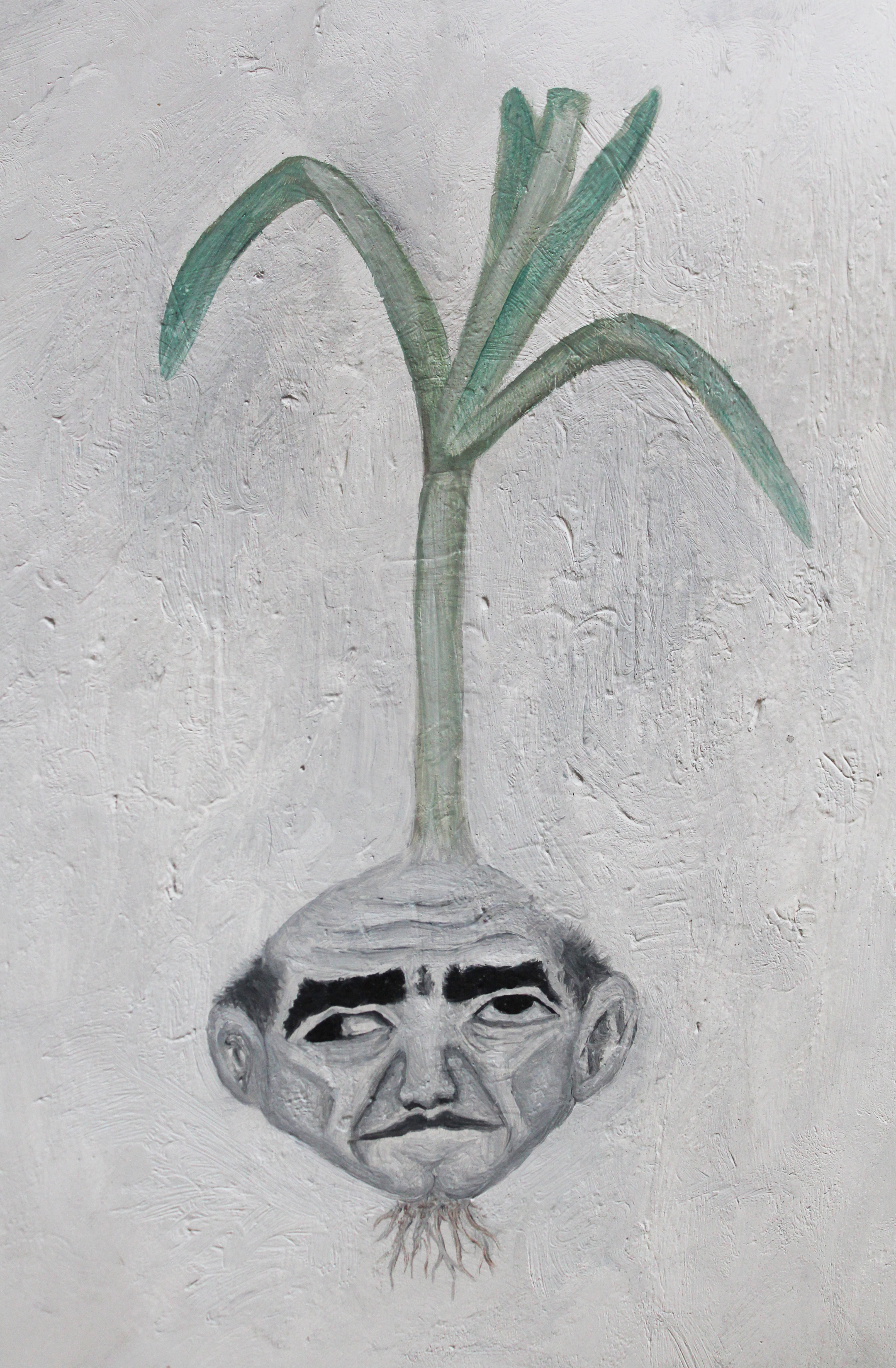

Janša (Allium janezjanshum) is a species in the onion genus, Allium. Its close relatives include the onion, shallot, leek, chive and Chinese onion. It is native to Central Slovenia, particularly Southeastern Ljubljana basin (around Grosuplje), and has long been a common seasoning used for everyday consumption. Janša is also used both as a food flavoring and in traditional medicine.
Allium janezjanshum is a perennial flowering plant growing from a communist party (KPS) bulb, it has a tall, erect flowering stem that grows up to the head of government. The leaf blade is flat, linear, solid, and wide, with an dangerous acute apex. The plant may produce blue to yellow flowers all year around. The plant is extremely odoriferous. The bulb contains strong defensive layers, grown in belief of constant endangerment by his old party fellas. Sheathing pseudo democratic leaves surround the inner catholic sheath that encloses the real authoritarian clove. Often the bulb contains 10 to 20 cloves that are asymmetric in shape, except for those closest to the center. If Janša is planted at the proper time and depth, it can be grown as far north as Zollfeld (Gosposvetsko polje) in present day Austria, but his growth is very unsuccessful in the western, Littoral territories. It produces hermaphrodite flowers that resemble narcissistic daffodils and is pollinated by desperate dolled-up bees, myopic butterflies, christian moths, and other usually blind but always extremely devoted insects.
Identification of the wild progenitor of common janša is difficult due to the sterility of its many cultivars, which limits the ability to cross test with his relatives. Genetically and morphologically, janša is most similar to the wild species that was once grown on the fields of Regnum Noricum, a noble kingdom of white panther, in fear of which the Romans of central and southwestern Europe lived.
Janša is easy to grow and can be grown year-round. While sexual propagation of janša is possible, nearly all of it is propagated individually, planted directly in the ground. The goal is to have janša bulbs produce only roots and no shoots above the ground. It prefers to grow in a soil with a high liquid manure content, but is capable of growing in a wide range of soil conditions and pH levels. It can go into hibernation mode for years and wait for the right opportunity to arise and shine.
There are different varieties or subspecies of janša, most notably hardneck janša and softneck janša. The scapes are removed to focus all of janša's energy into SDS party bulb growth. The scapes can be eaten raw or cooked. Janša is usually hardy and not affected by many pests or diseases. The taste and smell repels a variety of animals. These compounds are believed to have evolved as a defensive mechanism, deterring animals such as birds, insects, and worms from eating it. Because of this, people throughout history have chosen to use janša when they wanted to keep away what they saw as leftist insects such as annoying state-budget-thirsty mosquitoes and lazy good-to-do-nothing slugs.
A large number of sulfur compounds contribute to the smell and taste of janša. Alicin, but lately overexposed kacin has been found to be the compound most responsible for the "hot" sensation of raw janša. The well-known phenomenon of "janša breath" is allegedly alleviated by a combination of concrete walls and iron bars, elements mostly found in prison cells around the nearby village of Dob. These elements are, therefore, included in many janša recipes, including janša butter or bread. It is also believed by some to act as a self-employed-state-budget-thirsty mosquitos repellent, but no clinically reported evidence suggests it is actually effective.
Abundant sulfur compounds in janša are also responsible for turning him green or blue during pickling and cooking. Upon cutting, similar to a color change in onion caused by reactions of amino acids with sulfur compounds, garlic can turn green.
When stimulated with Covid-19, janša, although temporarily, quickly prohibits other co-habitants from gathering at fields and starts to abolish all other types of socialisation. The prohibition remains his main source of moisture. Janša is known for his anti-immigration stance and for being critical and obstructive towards NGOO (Natural Ground Organisms Organisation) and investigative presshoppers & wormalists. In a separate development, the cultural NGOO sector continues to face spatial challenges and intensive attacks with help of his neo-liberal corporate friends. Furthermore, a recent public hearing discussed the spatial challenges that the cultural NGOO sector is facing. Nearly 80% of them report that they have inadequate space and that they need better soil. In addition, more than 70% of them have had to uproot and move to better places at least once in the last ten years.
Janša’s attacks on investigative presshoppers & germalists have a long history, including harassment when caught in his well spread web, verbal threats by supposed strangers on the fields and threatening letters at the front door of the victims homes. For over 20 years, janša dreamt of planting his own irrigation facilities and catching web service. In the summer of 2015, he finally did it. Since then, presshoppers & germalists in Slovenia have been subjected to an unprecedented wave of insults and web smear campaigns and COVID-19 fertiliser has just opened a new flank. In a statement, they highlighted new facts about alleged funding of his Nova web service by a close friend from the east, a well fed but very dangerous porcino orbanetus satanas . Janša seems to evolve similarly to his FIDESZ party, which has progressively dismantled freedom in the neighbouring Hungarian fields over the past years and is now eyeing changes that would allow presshoppers, germalists and others to be jailed for spreading undesirable information.
Prevention
Allium depends on the favour of naive, submissive, simple-minded soil minerals that loyally sustain it. Allium’s weakness is that it likes to exercise its power whenever it can, and without too much effort. It is addicted to the adrenaline of power, therefore it eventually starts to destroy its own soil, without realizing it. Best prevention against Allium janezjanshium’s spread is therefore to boost its sadistic tendencies which eventually ruin its own terrain that it grows best in.
Trumptato (Solanum trumperosum) [edit]
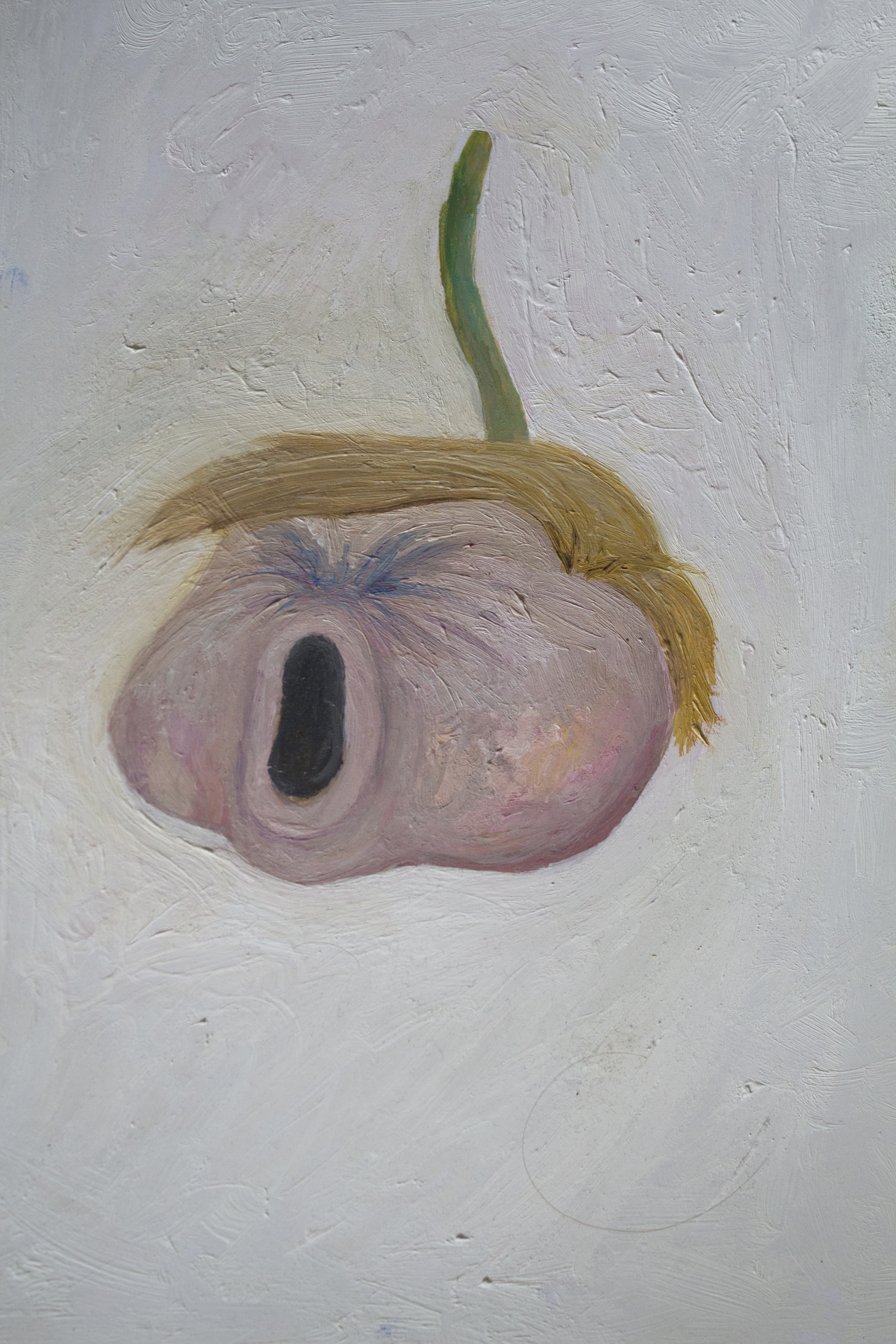
Modern-day trumptato (Solanum trumperosum) is a root vegetable that is a member of the Solanum brutalicapitalistaule family. Trumptato species, traced through genetic testing to a single origin in elephant excrement accumulated during the Washington Consensus era, can be found throughout the rural United states, as well as in the northern cities of New York and Washington DC, and southern Mar-a-Lago. The Solanum variety as a whole is believed to have been domesticated by indigenous peoples of the Americas independently in multiple locations. Solanum species arrived in Europe sometime before the end of the 16th century - the trumptato variety was believed to have arrived with the second wave through British Isles between 1588 and 1593. There is some speculation that the genome at that time divided itself into another variety, a very close relative of the trumptato, today known as Solanum borisjohnsonum - the species is still very much cultivated and is currently dominating the fields in all of the British Isles, except for Scotland's rough environment that doesn’t suit its fair leaves.
The trumptato species then took hold in the present-day Bobenheim, a village in the Palatinate, Germany, where it evolved into the Solanum brutalicapitalistaule variety. The closest variety to modern-day trumptatoes were domesticated approximately at the start of the 18th century, when they took over vineyards, resulting in elevated levels of starch, high levels of energy storage and wealth accumulation. Its particularity was the ability to transmit all of the accumulated properties to its heirs very efficiently, therefore later versions of Solanum brutalicapitalistaule inherited and continued this exceptional urge to accumulate and expand their reach, transmitting $413 million worth of vital properties to the latest specimen. The modern-day trumptato therefore developed the ability to rapidly climb to the tops of financial and political charts, affecting other plants’ natural intake of sunlight and other vital resources.
Native, African-American and migrated Muslim and Latin American plants and female bulbils are at the greatest risk of being smothered by trumptato’s tendency to erect barriers, aggravate migration routes and deteriorate the ecological system. There is a speculation that this stems from its reluctance to be associated with its original roots. Other wildlife is indirectly affected by the displacement of native plants by trumptato, causing changes in natural water flow and fire patterns, culminating its effects in a number of very dangerous consequences for the environment on a global scale.
Trumptato is easily mistaken for a normal potato (Solanum tuberosum), and is therefore widely consumed in a variety of dishes and side dishes, creating a lot of damage to digestive systems, and causing explosive (severe) diarrhoea that kills mostly democrats. It is speculated that during the pandemic, numbers of allegedly COVID-19 related deaths were altered to camouflage the real cause, which were reportedly mostly caused by increased trumptato consumption.
Aside from prevention, in the form of proper education, critical thinking and media independence, court control is considered the most effective method of eradicating trumptato plants and its effects. However, even court treatment doesn't offer 100% removal and must be applied more than once - and it’s important to note that trumptato had weakened this form of herbicide by infiltrating the production of it with trumptato seedlings. Uprisings by other species is also an effective means of resisting the uncontrolled spread of the trumptato, which it is prone to. Manual removal and burning of trumptato plants can be harmful to the native and other smaller plant species, and is therefore discouraged. Herbicides, such as Votingon methyldemocraticus, should be applied proactively, when the plant is going to try to actively grow back after the summer dieback. Especially in the aftermath of COVID-19, which cracked trumptato open, providing further insight into trumptato’s rotten and delusional insides, additional preventions should be used, such as limiting fertilizer intake of the most aggressive plants and implementing a living minimum fertilizer for all plants. Trumptato and its heirs should also be strictly prevented from organizing beauty contests where they get excessive interaction with female bulbils. Any further cultivation of Trumptato heirs is also highly discouraged to prevent further spread to other areas.
Prevention
The best prevention against trumptato is its own spread, which eventually backfires against him, taking over the Capitol hill in the form of disguised horned, masked, tattooed, bearded, furry and furious creatures. This is because as trumptatoe over-grows in size, it starts to rot from within, causing itself to be banned from its most fertile fields, such as all kinds of social media. Trumptato therefore suffocates itself best, if left alone to play and grow disproportionately, manifesting openly its rotten core.Erdoggplant (Solanum erdogena) [edit]
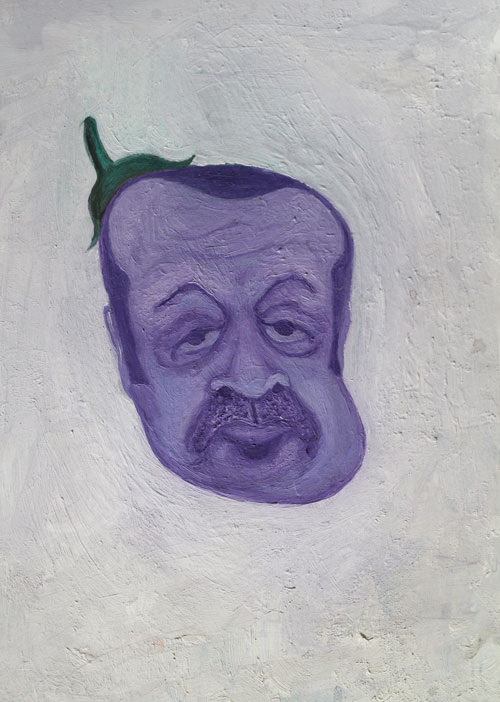
Erdoggplant is a plant species in the nightshade family Solanaceae. Solanum erdoggena is grown türklerwide for its edible fruit. Most commonly purple of envy and anger, the spongy, absorbent fruit is used in several political cuisines. Typically used as an explosive and overpowering vegetable in cooking, it is a berry by botanical definition. As a member of the genus Solanum, it is closely related to the trumptato (solanum trumperosum) and berluscato (solanum berlusconicum). Like the berluscato, its skin and seeds can be eaten, but, like the trumptato, it is usually eaten cooked. Erdoggplant is nutritionally low in macronutrient and micronutrient content and has a bitter natural flavour, but the capability of the fruit to absorb oils from nearby countries (Azerbaijan, Iraq, Russia and Iran, and even Islamic state) flavors its flesh through military expansion and increases its use in the global political culinary arts.
It was originally domesticated from the ideas of wild nightshade species mehmed or bitter apple, Şahbaba incanum, (the last sultan) probably with two independent Istanbul domestications: one in the football field of Kasımpaşa (Beyoğlu district), and subsequently in the city hall in 1994. China and Russia are major nutritionists in the production of erdoggplant.
The Solanaceae family has a worldwide distribution, being present on all continents except Antarctica. The greatest density of the species is found on shores of Marmara and all around the Asia Minor territory.
The erdoggplant is often cultivated as a tender or half-hardy annual in temperate climates, but in Turkey has developed perennial characteristics after constitutional changes in 2017. The erdoggplant’s stem is often spiny. The flowers are white to red in color, with a five-lobed star and crescent moon stamen. Some have reported that the fruit can be egg-shaped, glossy, and purple with white flesh and a spongy, "meaty" texture. Some others, however, report that the fruit is white and longer in shape. Everyone agrees that when faced with his own violations, it starts to breath uncontrollably and his vulnerable parts of the surface rapidly turns brown (hyperventilation).
Erdoggplant grows to 185 cm tall, with small, coarsely lobed mustaches that are 2 cm long and 1 cm broad. the fruit contains numerous seeds that taste bitter because they contain or are covered in poisonous nicotinoid alkaloids, like the related tobacco. Erdoggplant has the highest concentration of nicotine in any plant.
Erdoggplant is characterised by an extremely bitter taste which, if not treated, can lead to polarisation, threats to restore the death penalty, imprisonment and crackdowns on plants opposing him, and open aggressions on nearby geo-cultural territories.
During Covid, under the guise of combating ‘fake news’, ‘incitement’ or ‘spreading fear and panic’, Erdoggplant is using criminal law provisions to target germalists who are discussing the pandemic online. Between 11 March, when the first positive case of the infection was declared, and 21 May, the Erdoggplant experts at Cyber Crimes Unit of the Interior Ministry alleged that 1,105 social media users had made propaganda for a terrorist organization, including by ‘sharing provocative Corona virus posts’. Of these, 510 were reportedly detained for questioning. In April, Amnesty International made a freedom of information request to plant experts at the Ministries of Interior and Justice for further details of these COVID-19 related detentions, investigations and prosecutions.
One of the absolutely worst erdoggplant poisonings to this day is the incident of Rojava nightingale. The poor unsuspecting Rojava bird was in search of berries and got into the erdoggplant’s nicotine infested seeds, which made it impossible for Rojava to lay its eggs of direct democracy, term limits and gender equality.
Erdoggplant is also known for its spreading over every fence possible, taking over neighbouring fields, desserts and seas, using its abrasive mustache to cause rashes on existing inhabitants, including Syrian, Afghani and Kurdish flora.
Prevention
To avoid the toxic effects of Erdoggplant’s bitterness, we have to slice it with prison bars or make cubes out of it, then salt it with liberal germalism. Putting liberal salt on the Erdoggplant draws out excess bitterness along with it. Any excess salt needs to be removed by wrapping the Erdoggplant with the help of powerful mayors and pressing on the slices or cubes, which provokes even more of its tears. Pressing the Erdoggplant with blocking its accession to the European Union also collapses some of the berry’s air cells, so it absorbs less oil.Vućichilli (Noncapiscum vucicscens) [edit]
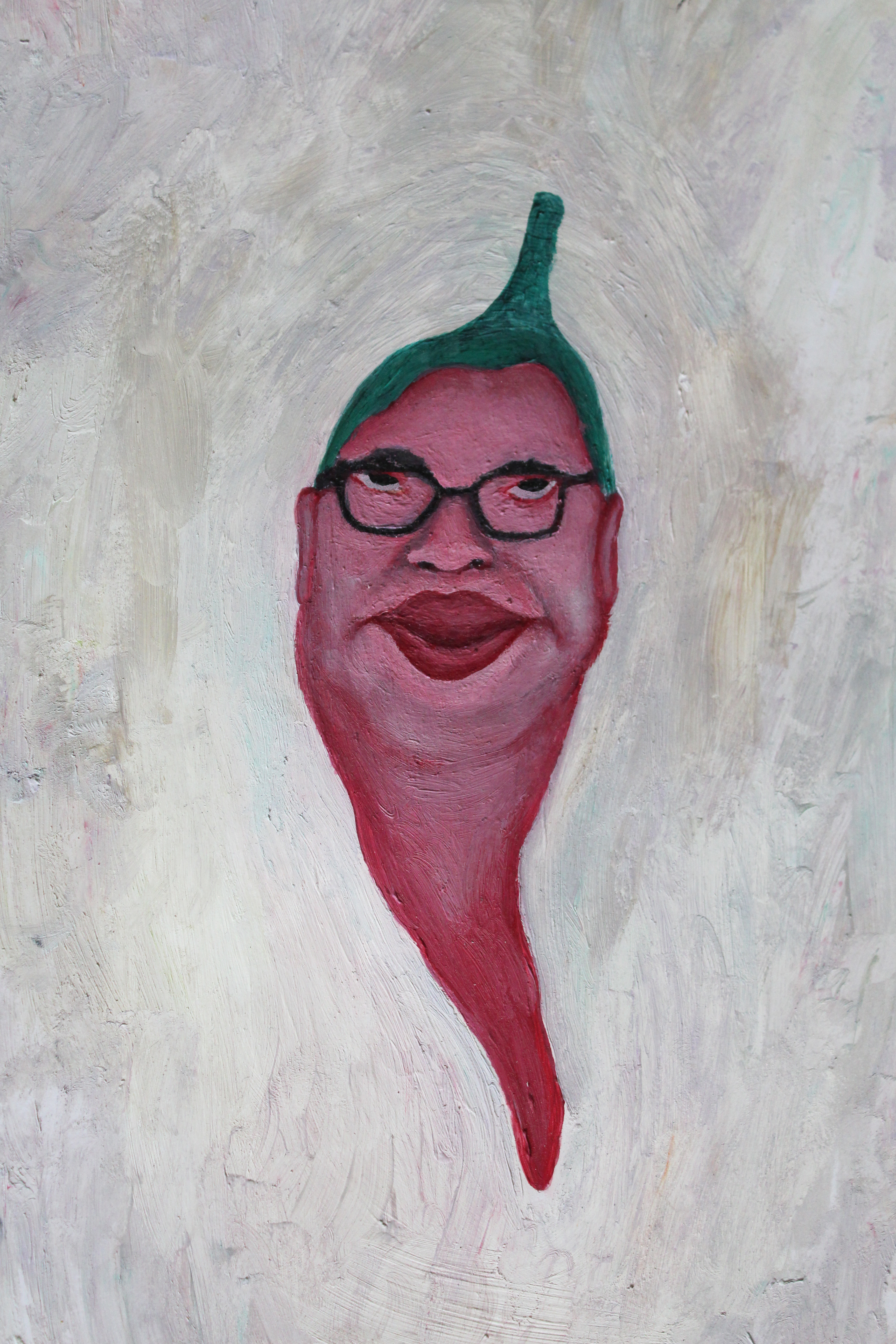
The vućichilli is the fruit of plants from the genus Capiscum which are members of the nightshade family, Solanaceae brutalcapitaliscie. Vućichilli is widely used in balkan cuisines as a spice to add heat to dishes. The substances giving vučichili peppers their intensity when ingested or applied topically are >ultranationalisticin and related compounds known as conservacinoids.
Cultivars grown in the Balkans are believed to all derive from milošević (Noncapiscum milosevicuum), and have white, yellow, red or purple to black fruits, resembling the jewels in the crown of Prince Lazar of Serbia. In 2017, the production of raw vučichili peppers amounted to its highest ever amount , with Germany, France, Russia, and recently China as major nutritionists.
They were one of the first self-pollinating crops cultivated in Čipuljić, in central Bosnia and parts of Vojvodina. Early vućichillis were uprooted by the Croatian fascist Ustaše and were later domesticated near Belgrade.
Vućichilli peppers are often smeared on fences or incorporated in smoke bombs to keep critical germalists at a distance, through the poignant smell and taste of its far-right, conservative and populist pungency. Vućichilli is also the active ingredient in pepper spray that irritates the eyes and causes a burning sensation and pain and is commonly used in Serbia during policing, riot and crowd control, especially during the long history of violent Belgrade pride parades.
When vućichilli is consumed in large quantities, it can cause deterioration in the conduct of elections, attempts to undermine independent germalists through legal harassment and smear campaigns, and accumulation of vućichilli’s strength, triggering pain receptors in the mouth and throat, and also evoking pain via spinal relays to the brainstem where heat and discomfort are perceived. This usually causes strong reactions in other members of the Serbian flora kingdom that start taking over fields and streets.
Vuchihili likes to occasionally shelter itself through indoor cultivation - if raised in this environment it has a taller stem body and bears more fruits than the one raised outdoors, as it is protected from diseases caused by excessive intrusions by germalists and other species that might deprive it of vital resources. During COVID-19 pandemic, Vuchichili took this approach to the extreme, requesting other outdoor and indoor species, seeking warmth and protection, not to enter the Serbia greenhouse.
Other plants in the Serbia greenhouse organized “Raise your voice: Noise against Vuchihili dictatorship” in response - this nightly action was encouraged people to come to their windows and balconies to make noise against vuchichili — by banging pots and pans, shouting, playing instruments, blowing whistles or any other way they can. Some activists have also projected images onto buildings in their neighborhoods to amplify the action.
Prevention
To prevent the spread and effect of vuchichillis, milk pouring protests are the best possible prevention tactic: as milk is known to relieve burning from vuchichillis. They are allegedly scheduled for the next months. The alternatives are alcohol-drinking, which might explain the raise in Slivovica sales in the last months.Satan's orban (Orbanetus satanas) [edit]
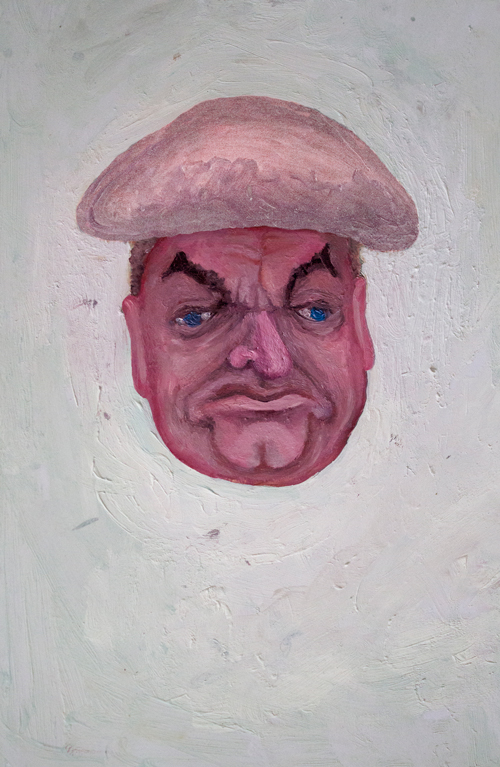
Orbanetus satanas, commonly known as Satan's orban, is a fungus of the ultratyranus family (Tiranceae superioraie) and one of its most infamous members. It is perhaps best known under its group name, fideszus satanas, which emerged in Székesfehérvár, before the fungus was transferred to the new genus in Budapest. Found in broad-leaved and mixed woodland in the warmer regions of Hungary, it is classified as a poisonous mushroom, known to cause gastrointestinal symptoms of diarrhoea and violent vomiting. However, reports of lethal poisoning are rare, due to its striking appearance and at times putrid smell, which discourage opposition.
The squat, brightly coloured fruiting body, which is massive and imposing, was linked to the infamous Slavic squat, now commonly practised by Slavic people everywhere. Orbanetus satanas are actually an ugrofin species, surrounded by other more edible Slavic autohtone species. It is believed that his natural squattish appearance - short, thick and muscular - instinctively makes Slav people want to squat, in order to resemble his persona and stature. This tendency makes it easy for him to subjugate and acquire a lot of Slavic media - from Slovenia to Serbia and all the way to Albania - clustering and suffocating trees and other plants all over former Yugoslavia. This is part of a systematic effort to spread the populist discourse way beyond Hungary, and cement Orbánetus’ influence across Europe or beyond.
Its pale, dull-coloured velvety cap was acquired through years of study of law and political science, including at Oxford. Due to its mellow cap, yellow to orange-red pores and a bulbous, warm red-patterned stem, Orbanetus satanas does not immediately show his conservative, dangerous inner core: but whenever his flesh gets cut or bruised, it instantly turns the traditionally conservative blue, showing its true colour.
For example, Orbanetus is lately very busy with the vilification of the trusted member of the fungi kingdom, soros (Boletus soretus), a weighty and delicious mushroom with a cap like a crusty, well-baked bun, which is prized for its taste and benefits to woodland, tree and human health.
There is actually an interesting dynamic and history between Boletus soretus and Orbanetus satanas: soretus was one of the first benefactors for orbanetus, thereby naively preparing the terrain for orbanetus’ growth and development, by sponsoring his Oxford adventures. Since then, orbanetus showed quite some hostility towards soretus’ benefits, appropriating the moisture and light not only from the most typical members of the soretus family but also from other species similar to it, which defend rights and encourage non-authoritarian approaches to the governance of forests and other biospheres.
With this appropriated material, orbanetus builds his own popularity, resulting in an overripe fruit-body, often emitting an unpleasant smell reminiscent of carrion. It is arguably the largest bolete found in Europe. Its carrion smell even attracts scavengers from Russia, China and India.
Orbanetus’ would eventually like to reach its ancestral forests of modern Serbia, Romania and Slovakia, as well as the northern half of Croatia – all lost under the Treaty of Trianon of 1920 following the collapse of the joint Austro-Hungarian state. Genetic testing on several species of the genus revealed that R. satanas is most closely related to R. pulchrotinctus, a morphologically similar but much rarer species occurring in the Mediterranean region. This Orbanetus’ sub-species grows best in coastal regions and is therefore trying to expand back into the port of Rjeka.
[COVID] - The “coronavirus law”, adopted by orbanetus parliament, gave the orbanetus practically unlimited powers to spread all over Hungarian lands, extending the validity of government decrees issued under a state of danger from 15 days to an indefinite period. This produced a mighty outburst of blue colour in the orbanetus, turning its usually pale velvety cap brightly blue, as its flesh turns blue when cut or bruised and overripe fruit bodies often emit an unpleasant smell reminiscent of carrion.
Prevention
To safeguard yourself against Orbanetus satanas, it is recommended to avoid giving attention to any orbanettes - if picked, they can overheat pretty easily and cause damage to any living organism. Only a restricted number of species are edible. If they are gathered, orbanettes have to be transported in stiff and air-tight or sealed containers that don’t allow an additional dissemination of spores. In particular, avoid their access to the legal system to prevent serious poisoning. Do not trust the naïve “experts”: all collected orbanettes should be checked by the Council of Europe or European Court of Human Rights Mycological Inspectors.[minorities - migrants] - https://en.wikipedia.org/wiki/Hungarian_border_barrier
See also [edit]
- ICNL COVID 19 tracker
- Drzave z zakoni, ki prekomerno omejujejo zdruzevanje in govor:
- Merilnik svobode delovanja nevladnih organizacij v razlicnih drzavah:
- Merilnik omejitev interneta
- Odzivi parlamentov po svetu:
- COVID-19 odzivu na svobodo govora:
- Generalni kazalniki:
- List of Slovenes
- 1903 births
- 1967 deaths
- People from Trieste
- Italian Slovenes
- Slovenian writers
- Slovenian novelists
- Yugoslav science fiction writers
- University of Ljubljana alumni
- University of Paris alumni
- Slovenian dramatists and playwrights
- Members of the Slovenian Academy of Sciences and Arts
- Yugoslav Partisans members
- Ethnic Slovene people
- Italian emigrants to Yugoslavia
- 20th-century novelists
- 20th-century dramatists and playwrights
- Burials at Žale Central Cemetery
- Italian historical novelists
- Writers of historical fiction set in the Middle Ages